Elephant Watercolor Clipart Animal: A Designer Review
As someone who has spent years navigating the intersection of digital art and physical stitching, I approach every new machine embroidery design with a specific set of questions. Does the visual style translate to thread? Will the stitch density hold up on my preferred fabrics? And most importantly, will the finished product look professional enough for a client or an Etsy listing? When I first opened the file for Elephant Watercolor Clipart Animal, I was immediately struck by its soft, artistic aesthetic. It falls squarely into the Illustrations category, offering a whimsical take on a classic subject that feels both modern and timeless.
First Impressions: Translating Watercolor to Thread
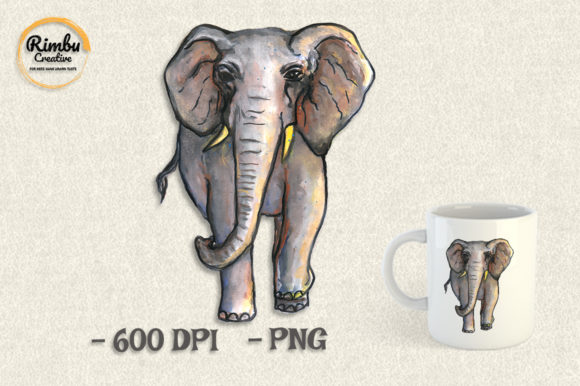
The immediate challenge with any watercolor-style graphic is capturing that fluid, bleeding edge effect using rigid threads. In the case of this elephant design, the artist has managed to create distinct layers of color that suggest depth without overwhelming the eye. The shape of the elephant is rounded and friendly, making it an instant favorite for nursery decor or children's apparel. However, as a designer, I know that what looks like a smooth gradient on a screen can become a muddy mess if the stitch density isn't calculated correctly.
When evaluating Elephant Watercolor Clipart Animal for real-world application, I consider how the fill stitch patterns mimic the wash of paint. The design relies heavily on overlapping colors to create that signature watercolor look. This means that when you load this embroidery file, you must pay close attention to your thread colors. If you choose shades that are too similar, the "watercolor" effect might vanish, leaving you with a flat, uninteresting patch. Conversely, high-contrast choices could make the edges too harsh, losing the softness that defines the original illustration.
A Real-Life Scenario: The Custom Tote Bag Project
To truly test the viability of this design, let’s imagine a practical scenario. You run a small craft business specializing in eco-friendly accessories. A customer orders a custom embroidered tote bag featuring a nature theme. You decide to use Elephant Watercolor Clipart Animal as the centerpiece. The fabric is a sturdy, natural cotton canvas—a perfect candidate for this type of artwork.
Before committing to the final product, I would always recommend testing the design on scrap fabric first. In this scenario, I’d hoop a piece of the same canvas and run the design through my machine. My focus would be on the ears and the trunk, areas where the watercolor strokes are most intricate. I want to ensure the running stitch outlines don’t get lost against the fill stitches. If the design is too dense, the heavy cotton might pucker, ruining the drape of the bag. If it’s too sparse, the watercolor illusion breaks down.
Once stitched, the result on a light-colored tote bag is charming. The soft hues of the elephant pop against the neutral background, creating a high-end, handmade feel. This is exactly the kind of detail that turns a simple bag into a boutique item. Customers looking for unique, personalized gifts often gravitate toward designs that feel hand-painted rather than mass-produced. This finished product offers that exact sentiment, elevating the perceived value of your small shop product.
Best Uses for Elephant Watercolor Clipart Animal
This design is incredibly versatile, but it shines brightest in specific contexts. Here are the projects where Elephant Watercolor Clipart Animal performs best:
- Baby Embroidery: The gentle lines and soft palette make it ideal for onesies, burp cloths, and nursery pillow covers. Parents love the non-threatening, sweet imagery.
- Custom Apparel: Sweatshirts and t-shirts benefit from the larger scale of the design. On a sweatshirt, the watercolor effect adds a trendy, streetwear vibe that appeals to a younger demographic.
- Home Decor: Kitchen towels, aprons, and throw pillows provide a great canvas. The design feels at home in a bohemian or modern farmhouse setting.
- Holiday Gifts: For holiday embroidery projects, this animal fits perfectly into winter-themed collections or as a year-round gift for baby showers.
- Embroidered Patches: Creating a patch version allows you to sell the design as a standalone accessory or apply it to denim jackets and hats.
For Etsy sellers and digital product sellers, this design asset is a goldmine. It works beautifully in printable mockups, allowing you to showcase potential applications without needing to physically stitch every variation. The visual appeal translates well to online listings, driving buyer engagement through clear, attractive imagery.
Where Caution Is Required
While Elephant Watercolor Clipart Animal is a strong contender for many projects, there are scenarios where it requires careful handling. The delicate nature of the watercolor style means it is not suitable for every surface.
First, avoid using this design on highly textured fabrics like heavy fleece or thick wool unless you adjust the stabilizer significantly. The texture can interfere with the fine details of the watercolor strokes, causing the design to look fuzzy. Similarly, thin or stretchy fabrics like jersey knit pose a risk of puckering if the hoop size is not appropriate or if the wrong stabilizer is used. Always check the commercial embroidery guidelines for your specific machine before attempting this on difficult materials.
Another area of caution is dark fabric. Watercolor effects rely on transparency and layering. On black or navy backgrounds, the lighter colors of the elephant may disappear entirely unless you add a backing underlay. Without proper planning, the design could look washed out or indistinct. Additionally, curved surfaces like caps can distort the geometry of the elephant, particularly around the trunk and legs. If you plan to use this for hat embroidery, consider how the curve affects the overall silhouette.
Practical Notes for Professional Results
To ensure your project succeeds, follow these practical steps when working with Elephant Watercolor Clipart Animal:
- Test on Scrap Fabric: Never skip this step. Run the design on a swatch to check for tension issues, thread breakage, and color blending.
- Check Stitch Density: Inspect the back of the test stitch. If it looks like a solid block of thread, the density might be too high, leading to stiffness. Adjustments may be needed.
- Select the Right Stabilizer: Use a tear-away or cut-away stabilizer depending on the fabric weight. For delicate items like baby clothes, a lightweight tear-away is usually sufficient.
- Review Color Contrast: Ensure your chosen thread colors provide enough contrast to define the elephant's shape while maintaining the watercolor aesthetic.
- Confirm Licensing: Before selling any handmade product or digital file, verify the license terms. Some Illustrations are restricted to personal use only, while others allow for commercial sales.
- Mockup in Black and White: Test the design in grayscale to see if the tonal values work. This helps identify areas where details might get lost during stitching.
Final Verdict: A Valuable Asset for Your Portfolio
In conclusion, Elephant Watercolor Clipart Animal is a sophisticated addition to any designer’s library. It bridges the gap between digital artistry and tactile craftsmanship, offering a unique look that stands out in a sea of standard clipart. Whether you are creating a personalized gift for a friend or launching a line of custom apparel for your business, this design provides the visual flair needed to capture attention.
The key to success lies in preparation. By understanding the nuances of stitch density, fabric choice, and color selection, you can transform this digital file into a stunning physical reality. As a reviewer, I appreciate designs that respect the limitations of the medium while pushing creative boundaries. This elephant does just that. With the right execution, it becomes more than just a pattern; it becomes a statement of quality and care that builds customer trust and enhances your brand’s reputation in the competitive world of handmade goods.