Autumn Watercolor Clipart: A Designer's Review
As a designer who has spent years translating digital art into tangible thread, I approach every new asset with a critical eye. When I first opened the file for Autumn Watercolor Clipart, my immediate reaction was one of aesthetic appreciation followed by a practical assessment of its stitchability. The mood it sets is undeniably cozy, capturing that fleeting moment where summer fades into crisp fall air. However, the transition from a soft, blended watercolor illustration to a precise machine embroidery design requires careful planning. This review explores how this specific Illustrations category asset performs when moved from the screen to the hoop.
The Visual Translation: From Pixel to Thread
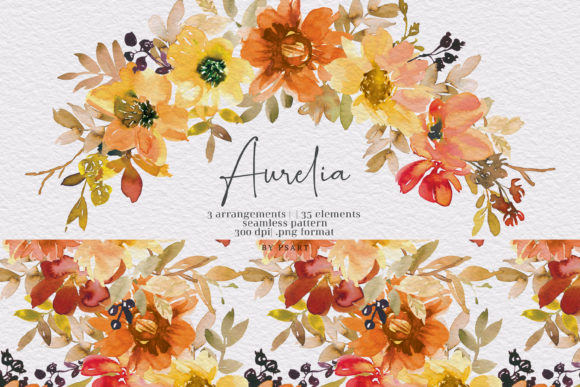
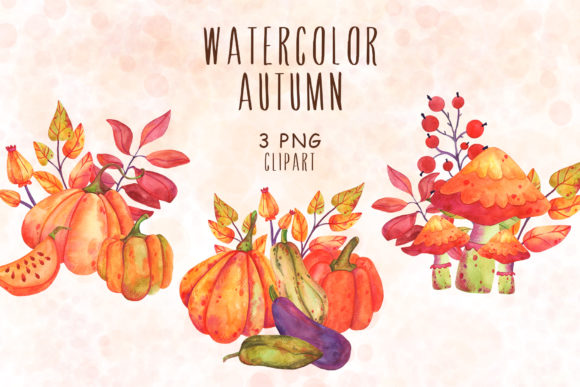
The core challenge with any watercolor-style graphic in embroidery is replicating the organic bleed and gradient softness using rigid thread. Autumn Watercolor Clipart presents a beautiful array of warm hues—burnt oranges, deep crimsons, and golden yellows. In a digital format, these colors merge seamlessly. In an embroidery project, we must rely on clever use of fill stitch and strategic thread colors to mimic that effect without creating a muddy mess.
When evaluating this design for real-world application, the level of detail stands out. The shapes are fluid, which is excellent for a relaxed, handmade vibe, but the edges can be tricky. If the stitch density is too high, the delicate nature of the watercolor look gets lost under heavy thread coverage. Conversely, if the density is too low, the design may not hold up on textured fabrics. As a reviewer, I find that this clipart works best when the digitizer has used a mix of running stitches for outlines and light fill patterns to suggest color washes rather than solid blocks.
A Real-World Scenario: The Custom Tote Bag Project
To truly test the versatility of Autumn Watercolor Clipart, let’s imagine a scenario where I am preparing a line of custom tote bags for a local boutique client. The goal is to create a seasonal collection that feels artisanal and high-quality. I envision placing this design on a natural canvas tote bag. The texture of the canvas is perfect for hiding minor imperfections in the stitching, allowing the watercolor aesthetic to shine through.
In this context, the tote bag design would serve as a statement piece. Customers browsing a craft fair or an Etsy seller listing would immediately recognize the seasonal theme. The visual appeal is strong; the design suggests warmth and creativity. However, I would need to ensure the placement is centered and large enough to capture the details. On a small 4x4 inch hoop, the intricate leaf shapes might blur together. For a tote bag, I would recommend scaling the design up to utilize a larger hoop size, perhaps 6x10 inches, to maintain clarity. This ensures that the finished product looks professional and justifies a higher price point for the handmade product.
Navigating Fabric and Application Challenges
While the design is stunning, it is not a "one-size-fits-all" solution. There are specific situations where Autumn Watercolor Clipart requires extra caution. First, consider custom apparel made from stretchy materials like jersey knit. The fluid lines of the watercolor style can distort if the fabric stretches during wear or washing. I always advise testing the design on scrap fabric first to see how the tension affects the shape.
Similarly, dark fabrics present a contrast issue. Watercolor designs often rely on lighter tones to show depth. Stitching this directly onto a black sweatshirt without a backing layer could result in poor visibility. In such cases, using a stabilizer or even a light-colored applique design underneath might be necessary to make the colors pop. For sweatshirt embroidery, the thickness of the fabric also demands a robust stabilizer to prevent puckering, especially around the denser areas of the design.
Another area of concern is caps or curved surfaces. The gentle curves of the leaves in the clipart might fight against the curve of a cap panel, leading to registration issues. While possible, it requires advanced digitizing skills to map the design correctly to the curve. For hobbyists, I would suggest sticking to flat surfaces like pillow covers, aprons, or kitchen towels where the design can lay flat and true.
Commercial Viability and Brand Consistency
For small shop owners and creative entrepreneurs, consistency is key. Using Autumn Watercolor Clipart across multiple product lines can create a cohesive brand identity for the fall season. Whether you are selling holiday embroidery gifts, personalized baby items, or decorative accents, the design offers a recognizable aesthetic that customers love.
However, before integrating this into your commercial workflow, you must confirm the licensing terms. Not all digital product sellers allow the resale of finished goods or the creation of digital embroidery files for sale. As a professional, I never assume. Always check if the license permits commercial embroidery projects. If you plan to sell the stitched item, ensure you have the right. If you intend to resell the file itself, verify that explicitly. This protects your business and maintains trust with your customers.
Practical Notes for the Embroidery Designer
If you decide to move forward with this design, here are my top recommendations for success:
- Test on Scrap Fabric: Never skip this step. Run a test stitch to check for tension issues and color blending.
- Check Thread Contrast: Ensure the thread colors stand out against your chosen background fabric. Sometimes swapping a standard orange for a metallic gold can elevate the look.
- Review Stitch Density: Look closely at the preview. Are there gaps? Is it too dense? Adjustments might be needed depending on your machine.
- Use Proper Stabilizer: Especially for textured fabrics or thick items like blankets, a tear-away or cut-away stabilizer is essential for a clean finish.
- Mockup in Black and White: Before committing to expensive threads, view the design in grayscale to check the value contrast and layout balance.
- Inspect Small Details: Zoom in on the smallest leaves or petals. If they are too tiny, they may get lost in the stitching process.
Ultimately, Autumn Watercolor Clipart is a versatile asset that can elevate your finished product from simple to sophisticated. It speaks to the season beautifully and fits well within the current trend of rustic, nature-inspired decor. Whether you are creating a personalized gift for a friend or stocking shelves for your craft business, this design has potential. Just remember that the magic happens in the execution. With the right preparation, fabric choice, and attention to detail, you can turn this digital illustration into a stunning piece of textile art that your customers will cherish.