Watercolor Cute Animal: A Designer's Real-World Review
As a designer who has spent years navigating the gap between digital mockups and physical stitched reality, I approach every new machine embroidery design with a mix of excitement and skepticism. The latest addition to my library, Watercolor Cute Animal, immediately caught my eye for its soft aesthetic and whimsical charm. However, in the world of commercial embroidery and handmade goods, visual appeal on a screen is only half the battle. The true test lies in how the embroidery file translates to fabric, thread, and the final finished product. Today, I am breaking down exactly how this design performs in real project scenarios, where it shines, and where you need to exercise caution before committing your time or inventory.
First Impressions: Mood and Visual Personality
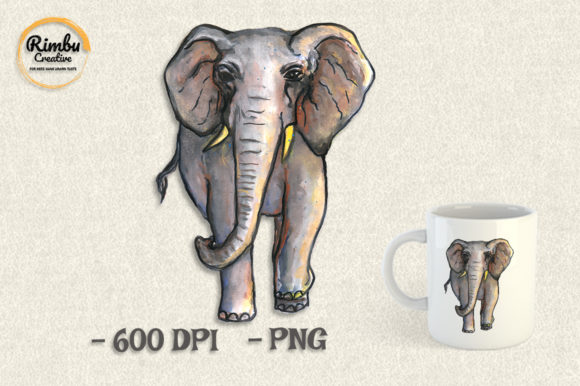
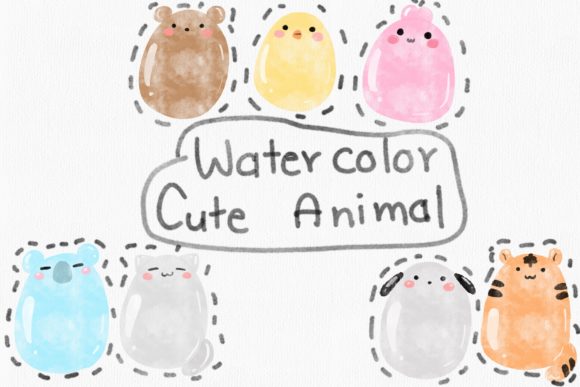
At first glance, Watercolor Cute Animal exudes a gentle, nostalgic warmth that fits perfectly within the current trend of soft-core aesthetics. Unlike rigid vector art, this design mimics the fluidity of watercolor paint, using gradients and soft edges to create depth. For an Etsy seller or a boutique owner looking to differentiate their brand, this style offers a distinct advantage over standard cartoon illustrations. It feels handcrafted even before a single stitch is pulled through the fabric.
The layout is balanced, avoiding the clutter often found in complex Illustrations. The animal subjects are rendered with enough detail to be recognizable but simplified enough to prevent stitching nightmares. This makes the design particularly versatile for personalized gifts and nursery decor. When I visualize this on a baby embroidery project, such as a onesie or a receiving blanket, the soft tones suggest comfort and tenderness, qualities that parents actively seek when purchasing handmade items.
Real-Life Application: From Hoop to Shelf
To truly evaluate Watercolor Cute Animal, I imagined preparing a custom embroidered tote bag for a local craft fair. Tote bags are a staple for small businesses because they offer a large canvas and high utility. In this scenario, the design’s ability to mimic watercolor washes becomes a key selling point. If executed correctly, the transition from light to dark thread colors can create a stunning, painterly effect that elevates a simple cotton bag into a premium small shop product.
I also considered using this design for sweatshirt embroidery. Placing the motif on the chest pocket area of a heather grey sweatshirt would provide excellent contrast while maintaining the soft vibe. The rounded shapes of the animals work well against the texture of fleece, ensuring the design doesn't look too stark or industrial. Furthermore, creating an embroidered patch from this file could open up new revenue streams. Patches allow customers to add a touch of whimsy to denim jackets or backpacks, extending the life of the design across multiple product categories.
For holiday season planning, Watercolor Cute Animal serves as a fantastic base for holiday embroidery projects. By adding seasonal elements like tiny holly leaves or snowflakes around the main subject, you can create limited-edition items without needing entirely new files. This adaptability is crucial for commercial embroidery operations that need to pivot quickly based on market trends.
Navigating Technical Challenges
While the potential is high, experienced designers know that watercolor effects can be tricky in stitch form. The primary challenge with Watercolor Cute Animal lies in managing stitch density and color transitions. Watercolor relies on blending, but embroidery relies on layering. If the fill stitch settings are too dense, the soft edges will harden, losing the intended artistic feel. Conversely, if the density is too low, gaps may appear, ruining the illusion of a painted wash.
You must also be cautious with hoop size. While the design looks manageable on a screen, the intricate details of the watercolor splashes might require a larger hoop to ensure proper tension and registration. Attempting to fit this into a very small hoop could result in puckering, especially on textured fabrics like linen or heavy canvas. Additionally, using this design on thin or stretchy fabric requires a robust stabilizer. Without adequate support, the delicate lines of the animal features could distort during the stitching process.
Dark fabrics present another consideration. The light, airy nature of the watercolor palette might get lost on black or navy backgrounds unless you utilize a backing or adjust the thread colors significantly. Always test the design on a scrap piece of your actual target fabric to see how the light reflects off the stitches. What looks vibrant on a white monitor might appear muddy on charcoal wool.
Maximizing Value and Professionalism
Using a high-quality design like Watercolor Cute Animal directly impacts customer trust and perceived value. In a saturated market, the difference between a generic clip-art look and a sophisticated, artistically rendered stitch pattern can determine whether a customer clicks "buy" or scrolls past. This design enhances the handmade presentation of your work, signaling that you care about aesthetic details.
For those selling digital products, offering this as a digital embroidery file allows other makers to create their own versions, provided you have the correct licensing. However, always confirm the license terms before selling finished items or reselling the file itself. Respecting intellectual property is vital for maintaining professionalism in the craft business community.
When creating printable mockups for your online store, take the time to show the design in various contexts. Show it on a pillow cover, a kitchen towel, and a cap. This helps buyers visualize the scale and versatility of the custom apparel or home decor item they are purchasing. Clear imagery builds confidence and reduces return rates.
Practical Designer Notes for Success
If you decide to incorporate Watercolor Cute Animal into your workflow, follow these practical steps to ensure a flawless result:
- Test First: Never skip the test run on scrap fabric. Check for thread breaks, tension issues, and color accuracy.
- Review Density: Examine the running stitch and fill areas closely. Adjust the spacing if the watercolor effect looks too blocky.
- Check Contrast: Ensure the thread colors pop against your chosen fabric. Use a light box or natural light to compare options.
- Stabilize Properly: Use a tear-away or cut-away stabilizer depending on the fabric weight. For applique design variations, consider a sticky stabilizer for precision.
- Mockup in B&W: Test the design in black and white to verify that the tonal values hold up without relying solely on color.
- Verify Licensing: Double-check if the design is cleared for commercial embroidery use before listing items for sale.
In conclusion, Watercolor Cute Animal is a strong contender for any designer looking to add a touch of artistic flair to their portfolio. It bridges the gap between traditional illustration and modern textile art, offering endless possibilities for personalized products and boutique merchandise. With careful attention to technical execution and fabric choice, this design can become a signature element in your collection, delighting customers and strengthening your brand identity.