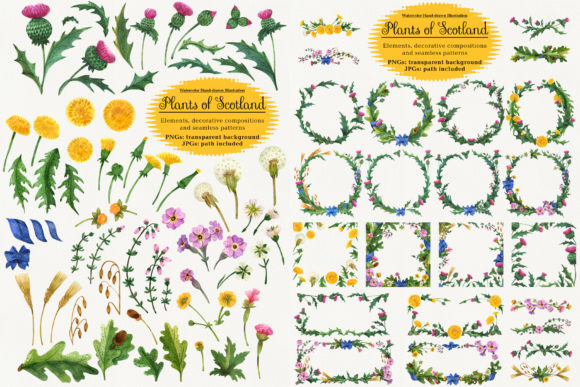
Plants of Scotland. Watercolor Illustrations
As a digital product creator who has spent years curating assets for Etsy, Creative Fabrica, and Shopify stores, I approach every new graphic design asset with a critical eye. The market is saturated, and the difference between a bestseller and a forgotten listing often lies in the quality and versatility of the underlying illustrations. Recently, I evaluated Plants of Scotland. Watercolor, a collection promising to bring a touch of Celtic nature to commercial projects. My goal was not just to admire the art, but to determine if this specific set of illustrations could drive sales across various platforms like print-on-demand, Cricut projects, and digital downloads.
First Impressions: Mood and Market Fit
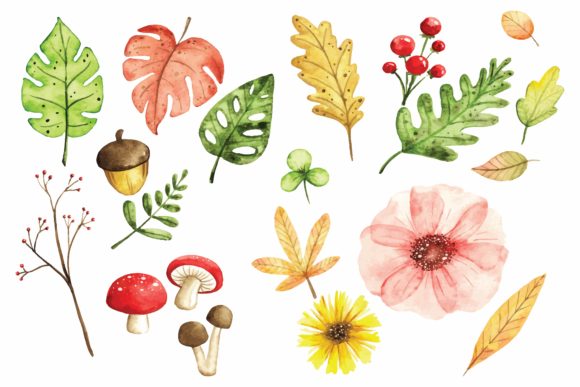
The moment I opened the preview files for Plants of Scotland. Watercolor, the visual personality became clear. This is not a bold, neon, or hyper-modern set. Instead, it exudes a rustic, elegant, and distinctly feminine charm. The watercolor texture gives each botanical element a soft, handmade feel that resonates deeply with audiences looking for "cottagecore" aesthetics, heritage designs, or eco-friendly branding. For a seller targeting the UK market, or anyone selling to customers who appreciate Scottish heritage, this asset hits a sweet spot. It feels premium without being overly stiff, making it suitable for both high-end packaging design and cozy home decor items.
The mood is serene and organic. Unlike flat vector clipart, these illustrations have depth and variation in color saturation, which suggests they will perform exceptionally well in product mockups where lighting and texture matter. If your brand identity relies on natural elements, storytelling through visuals, or a connection to the outdoors, this collection offers a strong foundation. However, it is crucial to recognize that this style leans towards the decorative and artistic rather than the industrial or minimalist.
Real-World Product Applications
To truly test the value of Plants of Scotland. Watercolor, I simulated how it would function across a diverse range of sellable products. Here is how I envision integrating these illustrations into a real online shop:
- Printable Wall Art and Nursery Prints: The soft edges of the watercolor style make these illustrations perfect for large-format printable designs. Imagine a series of nursery prints featuring heather, ferns, and thistles in muted tones. These would appeal to parents seeking calming, nature-inspired decor for their children's rooms.
- Sublimation and Print-on-Demand Merchandise: For t-shirt designs, mug graphics, and tote bag prints, the transparency of the PNG files is key. These illustrations work beautifully as standalone centerpieces on mugs or as part of a larger pattern on apparel. The organic shapes blend well with fabric textures, avoiding the "sticker-like" look that cheap vector art often produces.
- Cricut and Sticker Projects: While primarily raster-based, these can be adapted for sticker designs if the resolution is high enough. They are ideal for planner stickers, scrapbooking kits, and journaling cards. However, for die-cutting machines like Cricut or Silhouette, one must be careful; watercolor styles do not always translate perfectly into clean SVG cut lines without significant editing.
- Digital Paper Packs and Canva Templates: By repeating these botanical elements, you can create seamless digital paper packs for invitations, greeting cards, and social media templates. A Canva template seller could use these as background elements for wedding invitations or event flyers, adding a touch of sophistication.
- Packaging and Brand Identity: Small business owners selling handmade soaps, teas, or candles could use these illustrations for label design. The natural theme reinforces the "organic" and "handcrafted" narrative of the product.
Enhancing Product Presentation and Sales
In the competitive landscape of creative marketplaces, your thumbnail image is your most valuable real estate. Plants of Scotland. Watercolor offers excellent potential for click-through rates when used correctly. The rich greens, earthy browns, and subtle floral hues stand out against white backgrounds, creating a professional and inviting aesthetic for an Etsy product listing.
When building product bundles, these illustrations help establish visual hierarchy and consistency. If you are launching a seasonal collection, say for a spring sale or a St. Patrick's Day promotion, using these assets ensures your listings look cohesive. Customers trust brands that present a unified visual story. Furthermore, using these high-quality images in your product mockups increases the perceived value of your digital download or physical merchandise. A tumbler wrap design featuring detailed botanical art looks significantly more expensive than one using generic clipart.
Strategic Limitations and Risks
Despite its strengths, an experienced seller knows that no asset is universal. There are specific scenarios where Plants of Scotland. Watercolor should be used with caution. First, avoid using these illustrations for tiny sticker details or intricate text-heavy templates. The delicate brush strokes may lose definition at small sizes, leading to a muddy appearance.
Secondly, be wary of placing these light, airy designs on dark backgrounds without adjusting the contrast. Watercolor styles often rely on white space to define their form; forcing them onto black or navy blue surfaces can wash out the details unless you add a glow effect or border. Additionally, if you are targeting a market that requires precise cutting paths for vinyl decals, remember that watercolor edges are inherently soft. You cannot simply trace these for a clean SVG design without losing the artistic intent. This asset is best suited for printing, sublimation, and digital display rather than hard-edge cutting.
Practical Seller Notes for Success
Before publishing any listing using this graphic design asset, I recommend a rigorous testing phase. Start by verifying the file resolution; ensure the PNGs are at least 300 DPI for print-on-demand products to avoid pixelation. Check the transparency carefully; some watercolor sets include unwanted white halos around the leaves or flowers that can ruin a composite design.
Test the design on real mockups before you finalize your listing. Place the illustration on a t-shirt, a ceramic mug, and a canvas print to see how the colors render in different contexts. Pair the botanical elements with complementary typography. A serif font or a handwritten script often complements the organic feel of Plants of Scotland. Watercolor better than a blocky sans-serif. Finally, and most importantly, confirm the commercial license. Ensure you have the right to sell finished products created with these illustrations. Whether you are selling a digital download bundle or a physical item, respecting licensing terms protects your business from legal issues and maintains your reputation in the creative marketplace.
In conclusion, Plants of Scotland. Watercolor is a robust addition to a designer's toolkit, provided it is used in alignment with its artistic strengths. It excels in creating emotional connections through nature-themed branding and adds a layer of sophistication to digital and physical products. By understanding its limitations and leveraging its unique texture, sellers can create compelling, high-value offerings that resonate with today's discerning customers.