Hand Painted Watercolor Tulip Flowers Review
As a designer who has spent years translating digital art into tangible thread, I approach every new machine embroidery design with a mix of excitement and skepticism. The market is flooded with generic floral patterns, so finding something that truly captures a mood without losing structural integrity is rare. When I first opened the file for Hand Painted Watercolor Tulip Flowers, I was immediately struck by its soft, organic aesthetic. It does not scream "digital vector"; instead, it whispers "handmade." This specific quality makes it a standout candidate for the Illustrations category, but how does it translate from a screen to a hoop?
The First Impression: Mood and Visual Personality
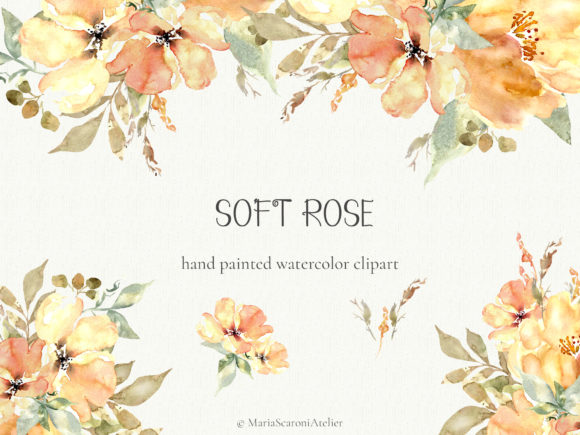
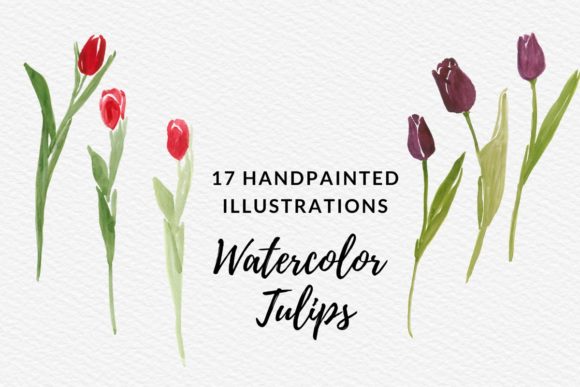
The visual personality of Hand Painted Watercolor Tulip Flowers is gentle and romantic. Unlike rigid geometric florals that rely on sharp lines and high contrast, this design mimics the bleed and texture of actual watercolor paint. For an Etsy seller or a boutique owner looking to elevate their brand, this is a significant asset. In the world of handmade goods, customers are increasingly drawn to items that feel artisanal rather than mass-produced. The soft gradients and irregular edges inherent in the design suggest a level of care that resonates deeply with buyers seeking personalized gifts.
However, as a reviewer, my immediate thought shifts from aesthetics to execution. How do we replicate that "watercolor" look using thread? The challenge lies in balancing the artistic intent with the limitations of the embroidery file. If the design relies too heavily on subtle color transitions, it risks looking muddy if the stitch density is too high. Conversely, if the density is too low, the watercolor effect may vanish, leaving behind a sparse outline that lacks impact.
A Real-World Scenario: The Custom Tote Bag Project
To truly test the viability of Hand Painted Watercolor Tulip Flowers, I imagined a specific project: creating a line of premium canvas tote bags for a local craft fair. These bags need to be durable, visually striking, and capable of withstanding frequent washing. I visualized placing the tulip cluster on the lower corner of a natural beige canvas bag. The neutral background would allow the pastel hues of the flowers to pop without overwhelming the viewer.
In this scenario, the design's layout becomes critical. A sprawling, wide arrangement might work beautifully on a large tote, but what if a customer wants it on a smaller pouch? The flexibility of the design dictates its commercial potential. If the tulips are arranged in a tight bouquet, they can be scaled down more effectively than a scattered garden scene. For a tote bag design, the goal is to create a focal point that draws the eye without feeling cluttered. The soft nature of the watercolor style suggests that this would pair exceptionally well with other earthy tones, perhaps complementing a simple monogram or a small date stamp for a wedding favor.
Performance on Different Fabrics and Projects
When moving beyond tote bags, the versatility of Hand Painted Watercolor Tulip Flowers comes into question. Let's consider sweatshirt embroidery. Fleece and cotton blends have a distinct nap and texture. On these materials, intricate details can get lost. The watercolor style, with its softer edges, actually works to our advantage here. Instead of fighting against the fabric texture, the design blends with it, creating a vintage, worn-in look that is highly desirable in streetwear and casual apparel.
For baby embroidery, such as onesies or bibs, safety and softness are paramount. A design with heavy fill stitch can make fabric stiff and uncomfortable against a baby's skin. The delicate nature of these tulips suggests they could be executed with lighter stitch counts, maintaining the drape of the garment. Similarly, for kitchen towels or aprons, the floral theme fits perfectly. Imagine a set of tea towels featuring these tulips; the combination of the domestic utility and the artistic flair creates a product that feels both functional and decorative.
However, caution is needed when considering caps or curved surfaces. The rounded brim of a hat distorts the image during stitching. If the watercolor tulips have fine, trailing stems or petals, these elements might pucker or distort on a curved surface. In such cases, a simplified version of the design or a placement on the flat front panel is essential to maintain the integrity of the artwork.
Navigating Challenges: Where to Be Careful
While Hand Painted Watercolor Tulip Flowers is promising, it is not a magic bullet for every situation. There are specific contexts where this design requires careful handling:
- Small Hoop Sizes: Scaling this design down too far will likely result in a loss of detail. The subtle gradations that define the watercolor look may turn into a single blob of color. Always check the minimum recommended size before committing to a tiny patch or keychain.
- Textured and Stretchy Fabrics: On knit fabrics like jerseys, the tension required for embroidery can cause the design to warp. Using the right stabilizer is non-negotiable here. Without proper backing, the soft curves of the tulips could become jagged or uneven.
- Dark Backgrounds: Watercolor effects often rely on white or light areas to show through. Stitching this design on black fabric might require extensive underlay or a different color palette to ensure visibility. The delicate pastel tones might simply disappear against a dark backdrop.
- Dense Stitch Areas: If you attempt to layer this design with other elements, such as text or borders, ensure there is enough breathing room. Overcrowding the design will ruin the airy, painted feel that makes it special.
Impact on Brand Value and Customer Trust
For a craft business, the choice of design directly influences perceived value. A generic clip-art flower looks cheap; a hand-painted watercolor tulip looks curated. When a customer sees a finished product featuring Hand Painted Watercolor Tulip Flowers, they perceive a higher level of craftsmanship. This perception allows you to charge a premium price for your finished product.
Furthermore, consistency is key for small shop owners. If your brand identity revolves around soft, natural, and artistic themes, this design aligns perfectly. It reinforces your brand story without shouting. On platforms like Etsy, where competition is fierce, having unique design assets helps your listings stand out in search results and social media feeds. A high-quality printable mockup of this design can also serve as a powerful marketing tool, giving potential buyers a clear vision of the final outcome.
Practical Designer Notes for Success
Before you rush to stitch this design on a client order or sell it as a commercial embroidery item, follow these practical steps:
- Test on Scrap Fabric: Never skip the test run. Stitch the design on a piece of the exact fabric you plan to use. Check for puckering, thread breaks, and color accuracy.
- Review Thread Colors: The watercolor effect depends on the interplay of colors. Ensure your thread selection matches the intended gradient. You may need to experiment with variegated threads to achieve the true watercolor look.
- Confirm Licensing: As a professional, always verify the license terms. Can you sell the physical items? Can you resell the digital embroidery file? Understanding these boundaries protects your business from legal issues.
- Inspect Small Details: Zoom in on the digital preview. Are there tiny gaps or isolated stitches that might fail during production? Clean up the file if necessary.
- Use Proper Stabilizer: Whether you are working on a pillow cover or a custom apparel item, the stabilizer is the foundation. Choose a cut-away for stretchy fabrics and a tear-away for stable woven materials.
In conclusion, Hand Painted Watercolor Tulip Flowers offers a refreshing alternative to standard floral embroidery. Its ability to convey a handcrafted, artistic vibe makes it an excellent choice for holiday gifts, nursery decor, and boutique merchandise. While it requires attention to detail regarding fabric choice and stitch settings, the reward is a product that feels personal, elegant, and distinctly human. For designers willing to put in the effort to perfect the execution, this design is a valuable addition to any portfolio.