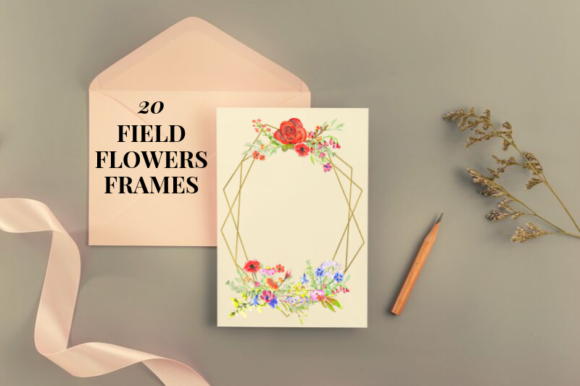
Field Flowers Watercolor Clipart & Illustrations
As a digital publisher who has spent years refining the visual language of content websites, I know that the difference between a casual blog and a trusted brand often comes down to the quality of the graphic design asset used in the layout. When I first encountered the Field Flowers Watercolor Flowers Clipart, my immediate reaction was one of editorial relief. In a landscape dominated by stark, hyper-realistic stock photography or rigid vector art, this collection offers a breath of fresh air. It feels organic, hand-crafted, and deeply human. The watercolor texture immediately signals a lifestyle-focused mood, perfect for niches ranging from wellness and gardening to creative entrepreneurship and seasonal home decor.
The visual weight of these Illustrations is light yet impactful. They do not scream for attention but rather invite the reader to pause. This is crucial for building reader trust; when a website owner uses polished, cohesive imagery, it subconsciously tells the audience that the content behind the image is equally curated and valuable. For anyone managing a content marketing strategy, the ability to convey a specific aesthetic without overwhelming the text is a superpower. These flowers provide exactly that balance, offering a decorative element that enhances rather than distracts.
Integrating Watercolor Art into Real Publishing Workflows
In my daily workflow, I am constantly looking for assets that can serve multiple purposes across different platforms. The versatility of the Field Flowers Watercolor Flowers Clipart makes it an ideal candidate for a comprehensive brand identity system. Imagine preparing a new series of articles on sustainable living. Instead of hunting for generic photos, I can use these floral elements to create custom blog graphics that tie the entire series together visually.
For Pinterest pin creation, which remains a primary traffic driver for many publishers, these illustrations are gold. A clean white background with a cluster of these watercolor flowers and a bold headline creates a high-contrast, clickable visual that stands out in a crowded feed. Unlike busy photos that get lost in the scroll, the soft edges of the watercolor style draw the eye gently. Furthermore, these assets translate beautifully into social media graphics for Instagram stories or Facebook covers, maintaining a consistent look that followers will recognize instantly.
Beyond social media, the utility extends to downloadable resources. If you are creating a digital guide, a lead magnet, or a printable checklist for your email subscribers, adding these floral accents elevates the perceived value of the freebie. A simple PDF becomes a premium digital product when framed with professional editorial design. Even within a Canva template library, these clipart pieces allow for rapid customization, enabling small business owners to produce high-quality visuals without needing advanced Photoshop skills.
Boosting Performance Through Visual Hierarchy
One of the most critical aspects of web design is establishing a clear visual hierarchy. The right image guides the reader's eye to the headline, the call-to-action, or the key takeaway. The Field Flowers Watercolor Flowers Clipart excels here because of its transparency and organic shapes. When placed as a subtle overlay on a website header or used as a section divider, it breaks up walls of text without creating a jarring transition.
This improved flow directly impacts click-through potential. When a category page features thumbnails adorned with these consistent floral motifs, users perceive the site as organized and trustworthy. In the world of affiliate marketing, where every pixel counts toward conversion, a professional-looking review post with custom headers built from these assets can significantly outperform a generic layout. The "soft" aesthetic also works well for niches that require empathy and warmth, such as parenting, mental health, or handmade crafts, fostering a deeper emotional connection with the audience.
Strategic Placement and Design Considerations
While these assets are powerful, they must be deployed strategically. They work best as hero images for seasonal posts, article thumbnails for lifestyle categories, and accents in newsletter headers. For example, a monthly newsletter featuring a "Garden Tips" section would benefit immensely from a banner created with these flowers, setting the tone before the subscriber even reads the first word. They are also excellent for content upgrades, where a specific graphic encourages a user to opt-in for more information.
However, there are scenarios where caution is required. On mobile devices, where screen real estate is limited, overly large or detailed watercolor clusters might obscure text if not sized correctly. Always test how the asset looks as a small thumbnail on a smartphone. Additionally, avoid using them on low-contrast backgrounds or busy layouts where the delicate details of the paint strokes might get lost. If your niche is strictly corporate finance or industrial engineering, this artistic style may clash with the serious tone required for commercial design in those sectors. It is essential to match the asset to the brand voice.
Practical Publisher Notes for Implementation
Before integrating any new design assets into a live site, I follow a rigorous testing protocol. First, preview the Field Flowers Watercolor Flowers Clipart inside your actual blog layout. Does it harmonize with your typography? Try pairing the soft florals with a strong serif font for a classic editorial look, or a clean sans-serif for a modern feel. You might even experiment with a script font for headlines to lean into the feminine, artistic vibe.
Check the contrast carefully. Ensure that if you place text over or near the flowers, it remains legible. Sometimes, adding a slight drop shadow or a semi-transparent box behind the text is necessary. Also, consider how the colors appear in black and white mode, as some users browse in grayscale or print materials. Finally, always review the file size. High-resolution images are great for printables, but for web performance, they must be compressed properly to prevent slow loading times, which can hurt SEO rankings.
Most importantly, confirm the licensing terms. As a publisher, I never risk legal issues by assuming an asset is free for commercial use. Ensure you have a valid commercial license if you plan to use these illustrations on monetized websites, in paid courses, or on products you sell. Once cleared, these creative design elements become a cornerstone of your visual strategy.
In conclusion, the Field Flowers Watercolor Flowers Clipart is more than just a set of pretty pictures; it is a tool for storytelling. It allows bloggers, educators, and entrepreneurs to infuse their digital spaces with personality and polish. By leveraging these Illustrations effectively, you can transform a standard content page into a memorable brand experience that resonates with readers and drives engagement across all your publishing channels.