Calla Lily Watercolor Illustrations Review
As a designer who has spent years translating digital art into tangible thread, I approach every new asset with a critical eye. When I first opened the file for Calla Lily Watercolor Illustrations, my immediate thought was about texture and flow. Watercolor is notoriously difficult to replicate in thread because it relies on transparency and bleeding edges, whereas embroidery is built on solid blocks of color and defined stitch paths. This specific design set attempts to bridge that gap, and after reviewing it against my upcoming project list, here is my honest assessment of how it performs in the real world.
The Mood and Visual Personality
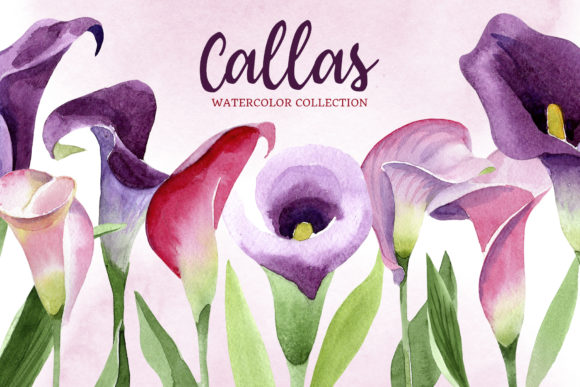
The aesthetic of Calla Lily Watercolor Illustrations is undeniably soft and elegant. The shapes are organic, avoiding rigid geometric lines in favor of sweeping curves that mimic the natural droop of a lily petal. For an embroidery designer, this visual personality suggests a few specific directions immediately. It does not scream "sportswear" or "heavy-duty workwear." Instead, it whispers "boutique," "nursery," and "wedding stationery."
The illustration style relies heavily on gradients and subtle shading to create depth. In a standard machine embroidery design, achieving this look requires careful attention to fill stitch density and thread colors. If the digitizer has done their job well, you will see a blend of lighter tones fading into darker ones, creating that signature watercolor wash effect. However, if the stitch density is too high, the delicate nature of the flower can get lost under a heavy blanket of thread, turning a soft bloom into a stiff patch.
A Real-World Application: The Custom Tote Bag
To truly test the viability of these assets, I visualized a specific scenario: preparing a line of custom embroidered tote bags for a local craft fair. These bags are made from a medium-weight canvas, which provides a stable base but still shows every imperfection in stitching. I imagined placing the largest Calla Lily Watercolor Illustrations motif on the front panel, centered just above the fold.
In this context, the design shines. The elongated shape of the calla lily fits perfectly within a vertical layout, drawing the eye upward. Because the background of the illustration is likely transparent or minimal, it would sit beautifully on a natural beige or cream canvas without needing a dense backing block. Customers browsing at a craft fair often gravitate toward items that feel artisanal rather than mass-produced. A tote bag featuring this embroidered patch style design would signal quality and taste, potentially increasing the perceived value of the finished product.
However, I also considered a sweatshirt application. Placing this design on a dark heather grey sweatshirt embroidery project presents a different challenge. The lightness of the watercolor effect might struggle against a dark fabric unless the digitizer has included a substantial underlay. Without a proper stabilizer and a white underlay, the pastel hues of the lily could appear muddy or dull. This is a crucial consideration for any Etsy seller looking to expand their catalog beyond light-colored garments.
Navigating Technical Challenges
While the artistic potential is high, practical execution requires caution. Here are the areas where Calla Lily Watercolor Illustrations demands extra attention:
- Fabric Texture: On highly textured fabrics like linen or waffle weave, the fine details of the watercolor petals may get swallowed by the fabric's own pattern. Stick to smoother weaves for the best clarity.
- Hoop Size: Check the dimensions carefully. If the design includes a cluster of flowers, it might exceed a standard 4x4 hoop. You will need to ensure your machine supports larger hoops or be prepared to re-hoop mid-stitch, which risks alignment issues.
- Stitch Density: Watercolor effects often use low-density fill stitches to allow the fabric to show through. If you are using a thin or stretchy fabric, this lack of density could lead to puckering. Always test on scrap material first.
- Dark Fabrics: As mentioned, dark backgrounds require a strong underlay. Do not skip this step if you want the thread colors to pop.
Impact on Brand and Product Value
For small business owners and creative entrepreneurs, the choice of design directly impacts brand consistency. Using Calla Lily Watercolor Illustrations signals a commitment to elegance and femininity. It works exceptionally well for personalized gifts, such as baby blankets, nursery decor, or wedding favors. The floral theme is timeless, making it a safe yet sophisticated choice for holiday embroidery projects or spring collections.
When customers see a handmade product with high-quality stitching that captures the nuance of a painting, their trust in the maker increases. They perceive the item as unique and valuable. Conversely, if the embroidery file results in tangled threads or missed details, it damages that reputation. Therefore, the success of this design lies entirely in the preparation phase.
Practical Designer Notes for Success
If you decide to incorporate Calla Lily Watercolor Illustrations into your workflow, follow these steps to ensure a professional outcome:
- Test Stitch First: Never run a full production batch without a test on the exact fabric you plan to use. Check for puckering and color blending.
- Review Color Palettes: Ensure the thread colors available in your inventory match the design's requirements. Sometimes, a slight shift in shade can ruin the watercolor illusion.
- Check Licensing: Before selling commercial embroidery items or digital files, confirm the licensing terms. Some designs are for personal use only, while others allow for limited commercial sales.
- Mockup Visualization: Create printable mockups in black and white to check contrast before committing to expensive thread and fabric.
- Stabilizer Selection: Use a cut-away stabilizer for stretchy knits and a tear-away for woven fabrics to support the running stitch and fill stitch structures.
Final Thoughts on Versatility
Calla Lily Watercolor Illustrations is a versatile asset that elevates simple custom apparel into statement pieces. Whether you are creating a baby embroidery set for a boutique or a personalized apron for a wedding gift, the design offers a level of sophistication that generic clipart cannot match. It rewards the designer who takes the time to prepare properly.
By understanding its strengths and limitations, you can leverage this digital embroidery file to create products that stand out in a crowded market. The key is to respect the delicate nature of the watercolor style and provide the structural support it needs to thrive in thread form. With the right fabric, stabilizer, and technique, these illustrations can become the signature element of your next craft business collection.